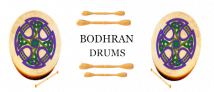
The Bodhran is an Important Part of Irish Music
The Bodhran is a vital part of Irish music, contributing both rhythm and depth. This instrument can be used for traditional as well as contemporary styles of musical composition; solo performances are possible or it may accompany other instruments onstage.
Sean O Riada, Peadar Mercier and Christy Moore from Planxty were three bodhran players that first achieved widespread popularity among Irish Traditional Music bands in the 1960s. Through them they helped develop playing techniques.
It is a frame drum
The frame drum (or bodhran) is an ancient Irish musical instrument with long histories in Ireland and other Celtic cultures, producing an appealing sound when struck. Although initially popular only within these cultures, recently its popularity has become worldwide. Bodhrans can be played using one or both hands, producing different tones depending on how it’s held or handled.
John Joe Kelly is one of the best-known bodhran players, widely recognized for pioneering new playing techniques and drawing inspiration from other world music traditions such as North Indian tabla and South Indian kanjira and thavil.
The bodhran is usually played while sitting, with the drum resting erect on one leg and being struck with a beater using either hand; right-handed players use their left hand for this task while using another to touch various areas on its skin to alter its sound with pressure changes and touch.
It is a skin drum
The skin drum or bodhran is a frame drum composed of an animal-skinned head stretched over a wooden frame. These frames typically come from either ash, oak, or birch and your choice can affect its sound quality; more modern versions may feature synthetic heads which require less maintenance than animal skins – these bodhrans may also feature tension control systems to alter sound output through changes to tension (in tunable models) and force of strikes to alter their tone as desired.
A bodhran can be played either sitting down or standing up, with its sound ranging from soft taps that whisper melodies to powerful beats that propel rhythm. It is used as an accompaniment instrument in Irish traditional music and by other musicians; additionally it has become a beloved staple in productions such as Ramin Djawadi’s score for Game of Thrones where its authentic Celtic flair adds authenticity to epic battle scenes and culture-themed settings.
It is a percussion instrument
The Bodhran is an integral component of Irish traditional music and became widely popular during the folk resurgence in the 1960s thanks to artists like Sean O Riada. Today it remains part of Celtic culture and often called Ireland’s heartbeat.
The basic structure of a bodhran consists of a shallow wooden frame bent into a circular shape with an open end, two strips that cross at right angles to form its handle, and its lower head covered by mammal skin (typically goatskin), although some drummers prefer other options like calf, sheep, greyhound or kangaroo skin.
One hand dampens the cipin with clear water to produce different variations in sound. To change its pitch, players can slide their hand up and down the rim to alter its pitch; this also enables them to produce scales or other musical notes on the instrument.
It is a musical instrument
The Bodhran is an incredible instrument, producing an array of rhythmic tones from urgent taps to melodious ringing beats, conveying emotions such as sobs or laughter with ease. Under skilled players’ control it can add an emotive dimension to songs and tunes; its distinctive sound has become a hallmark of Irish cultural pride that plays an essential part of their celebrations.
Sean O Riada brought wider recognition of the bodhran as a musical instrument during the 1960s, propelling its revival from ritual use into mainstream musical usage. Today’s bodhrans come in all sizes and shapes; some feature crossbars across their frames’ back for added stability and comfort during extended playing sessions; they can be tuned up or tuned down for precise dynamic control allowing for improved tone quality as well as precise dynamic tuning control; plus, each drum comes equipped with its own beater that creates unique rhythmic textures when used against its counterpart compared to its counterpart in ritualistic context.


