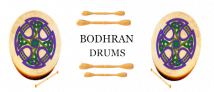
The Irish Bodhran
The Bodhran first rose to global recognition when Sean O Riada introduced it as part of formal music ensembles outside local pubs. Since then, innovation on this instrument has continued apace.
A bodhran can be played either with one’s bare hand or using a stick called a cipin. The lower head strikes all significant rhythms while the upper head plays triplet middle notes.
Bodhrán
The Bodhran is often seen as the gateway into Irish music, yet playing one requires much more than simply keeping time or keeping rhythm. It is an intricate instrument with numerous dynamics and subtleties.
This frame drum shares similarities with drums found throughout northern Africa and the Middle East, yet its unique playing style distinguishes it. A performer may use his hand to dampen skin before striking it, creating variations in tone for maximum tonal variation.
In the 1960s folk music revival, bodhrans experienced a revival. This trend can be largely credited to Sean O’Riada who elevated its role from ritual use in Wrenboys’ Hunting of the Wrens tradition to become an essential component of traditional Irish music. Players such as Johnny McDonagh from The Chieftains have pioneered advanced playing techniques which greatly influence modern bodhran techniques.
Reel
The Bodhran is at the core of Irish traditional music, but only made its debut in traditional musical circles during the 1960s due to Sean O Riada who introduced it via Ceoltoiri Chualann (which shared several members with The Chieftains).
Bodhrans can be used for many different types of dance music, but reels are most frequently associated with traditional Irish reel music. Reels feature different rhythmic patterns from other world genres; their emphasis moves around within each tune’s feel – a key characteristic for good reels! Mel Mercier, Peadar McDonagh and Johnny McDonagh have brought reel playing technique to new levels with their masterful playing on these instruments.
Hornpipe
Today’s bodhrans and players have dramatically evolved over the past decade. Drummakers such as Seamus O’Kane have introduced internal tone rings that eliminate atmospheric conditions affecting skin cells while dampening unwanted overtones; players such as Peadar Mercier, Johnny “Ringo” McDonagh, and John Joe Kelly have brought playing style innovation and melodic sound innovation to new levels on their instruments.
The Bodhran is an internationally acclaimed musical instrument and ritual practice. This traditional Celtic practice, La an Dreoilin (Hunting the Wren), may have pagan origins but was adopted into Christianity and continued by Christian Druids for religious reasons; perhaps also as part of an annual harvest festival like those observed across cultures today.
Songs to Practice With
The Bodhran is an integral component of Irish traditional music, adding rhythm and depth. Additionally, contemporary musicians use it to add energy and momentum. Due to its versatile sound signature it can be played in an array of musical styles from soft melodies through to powerful beats.
At first, you should learn the correct bodhran playing technique before beginning to experiment with patterns and fills. After becoming proficient with these basics, move onto accompanying jigs and reels!
Practice to famous bodhran songs can help develop both your skills and musicality. YouTube offers many such tracks featuring bodhran players accompanied by popular Irish folk tunes and songs that provide an ideal way to learn how to play your bodhran to specific melodies and rhythms.
YouTube
The Bodhran is an Irish instrument commonly used as a rhythmic accompaniment, adding depth and energy to Irish music. This versatile instrument can produce soft tones as well as powerful rhythms – its versatility making it an integral component in various musical styles and captivating listeners around the world.
Good bodhran players understand and accentuate the melody of whatever song they’re accompanying, while bad players may disrupt it and make it more challenging for melody players to remain on beat.
In addition to its traditional uses, the Bodhran has also become a tool of creativity in many creative contexts such as art and sound healing, making its resonant tone ideal for meditation. Over time it has come to symbolize Ireland’s rich cultural heritage as it continues to develop and adapt over time.


