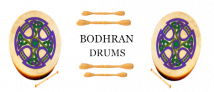
What is a Bodhran?
Skilled players of the bodhran can produce an array of musical sounds by using its “tipper”, hand and edge; producing sounds ranging from sobbing to joy and even an invocation to action!
In the 1970s, playing techniques saw significant advancement, thanks to bodhran virtuosos like Ringo McDonagh of De Dannan and Tommy Hayes of Stockton’s Wing.
Origins
Bodhrans are simple drums made of circular frames covered with animal skin that are played by striking it with hands or sticks to create rhythmic beats. Due to its association with treachery and its hunting ritual on St Stephen’s Day, these drums are sometimes called the Celtic frame drum or pagan wren drum.
Irish composer Sean O Riada made it widely popular again during his reintroduction of it to public awareness in the 1950s, though its use as an accompaniment to traditional music dates back much further. Peadar Mercier brought its popularity even further while other players such as Johnny Ringo McDonagh and Tommy Hayes have taken it even further in music.
Materials
The Bodhran is an Irish frame drum played with both hands using fingertips; its use is integral to Irish traditional music. Bodhran (pronounced bow-rawn) also refers to particular sounds or timbres; traditionally made from stretched goat skin stretched over a circular wooden frame and fixed using nails, staples or glue (glue is recommended since it stretches with skin stretch), with each option providing vibration damping effects on its own.
Bodhrans are most often played using a “tipper”, a small double-ended beater which allows for numerous styles of playing. An experienced bodhran player can create beautiful rhythms and sounds with this instrument – perfect for anyone seeking to enhance their Celtic music performance with authentic instruments!
Construction
Modern bodhrans may no longer be made solely from goatskin; today they often utilize artificial materials. After two days soaking, stretched, and left to dry in direct sunlight – bleaching and softening for easy handling and playback – skin is left soaked until stretched before drying further in an area away from direct sunlight.
Up until recently, the bodhran was considered more of a tool than musical instrument. But the Ceoltoiri Chualann revolutionised Irish traditional music and brought this drum to prominence.
Today’s bodhran players are pushing the instrument’s potential even further, using different finger taps, slides, beater (or tipper), patterns and accenting rhythms with rim shots for mesmerizing performances that mesmerize audiences while pushing its potential even further. Their performances mesmerize audiences while further expanding its potential.
Styles of play
Although bodhran drums have long been used in Irish music, their prominence skyrocketed during Sean O Riada’s 1960’s folk revival when he championed its use. Since then, its use has flourished into an intricate modern playing style which fully exploits this versatile instrument’s musical possibilities.
Traditional Bodhrans were played using either hand or stick (known as a beater, tipper or cipin). The heel of your hand can create sharp beats while flattening out can produce more subdued sounds.
A top end bodhran play technique allows the bodhran player to strike precise parts of the drum skin for producing various tones and sounds.
Rhythms
An expert player can use the bodhran to produce an array of sounds from sharp urgent taps to melodious ringing beats, while pressure applied beneath its skin may also help alter and muffle its sound production.
Rhythm is at the core of all bodhran playing and requires many skills including clear rhythm, good partitions with your left hand, structured and conscious play, embellishments and the strategic use of rim techniques. This master class course (13 tutorials) will equip you with a broad repertoire of rhythmical accompaniments suitable for accompanying Irish tunes such as reels, jigs, slip jigs, slides and Polkas.
Conventional musical notes are used to identify rhythm – an arrow down represents a downbeat, an upbeat is indicated by an upward arrow, while accented strokes are indicated with thicker arrows.


