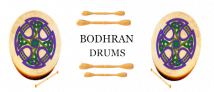
How to Play Bodhran
The Bodhran (pronounced bow-rawn) is an easy instrument to learn, yet highly rewarding. Playing more advanced rhythms and skills requires practice over time.
Bodhran players use specific ways of hitting their goatskin drum to ornament and emphasize its natural rhythms of tunes, thus creating distinct sounds that convey sadness or happiness, invitations to dance or martial rumbles.
Basics
Though similar in appearance, bodhran is played differently from its more familiar snare drum counterpart. Instead of resting it against one’s knee or thigh as is done for other drums, the drum must be held vertically and placed between one’s knee and thigh – or vice versa for left-handed players.
To play this instrument, hold a small wooden stick known as a cipin, tipper or beater in your right (or left if left-handed) hand, using it to strike the goatskin head of the drum. Utilizing proper stick maneuvers and hand movements will determine whether urgent sharp taps occur or melodious ringing beats complement and enhance any melody instrument.
First and foremost, ensure you purchase an appropriate bodhran size for both your playing style and body type. A comfortable playing bodhran should be big enough so it can be held without dropping, yet not so large that maneuverability becomes problematic. Beginners may wish to start out with smaller instruments before graduating to larger ones as their confidence grows.
Techniques
Though resembling a snare drum on its surface, bodhran is played differently than its cousin. Instead of resting it on your knee or resting one hand on either the skin or wood rim (left for right-handed players).
With this grip, the stick should be raised parallel to the head of the bodhran before striking downward against its goatskin head – this strike should be audible in music.
The other hand – known as the skin hand – on the underside of a bodhran allows you to modify the tone of its beat through subtle pressure and movement, providing greater control and modulation over its sound. Skilled players can use this hand to switch from urgent tapping to melodious ringing beats; convey sobs or marital calls-to-action; master these techniques takes years of practice but is well worth your while!
Reels
While the bodhran can be played using only their hands, most modern players typically employ a small wooden stick called a “cipin or beater” to strike its goatskin head. Some even use their thumb and index finger to hit their drum!
Effective Irish rhythms include reels, jigs, and polkas – hit the bodhran on upstrokes with your thumb and index finger; on downstrokes use thumb and middle finger.
Consider taking note of how professional bodhran players accent and embellish natural rhythms of tunes using their tipper and hand to alter its sound quality, as this is an essential skill for developing. Doing this will greatly increase their contribution to Irish traditional music sessions as well as help them understand how other percussion instruments like timbales and congas are utilized within Irish traditional music sessions.
Rhythms
The Bodhran is an ancient Celtic drum with numerous rhythms to choose from, ranging from sharp urgent taps to melodious ringing beats. A skilled player can also use it to convey different emotions such as sobbing, joy or even military orders to action.
Reels are an effective rhythm to add drive to a bodhran performance, often played at an aggressive tempo, that helps develop hand speed and dexterity while expanding rhythmic repertoire and accentuating patterns with accents and accents. Reels can help create an aggressive atmosphere with their driving feel. Reels also give players an opportunity to try out various patterns and accents with ease!
An instrument like the Bodhran can become an integral component of any Irish traditional music performance with some practice and dedication. Focusing on the tunes and playing rhythmically are keys to playing successfully on any instrument – no matter which it may be!


