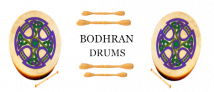
Bodhran Irlandais

Bodhran irlandais serves as the rhythmic hub of Irish music sessions. It sets the beat, reacts to melody instruments, and creates tension and release in musical sessions.
Sean O Riada brought the bodhran into mainstream popularity in the 1960s through Ceoltoiri Chualann. However, Johnny “Ringo” McDonagh revolutionised how this humble goatskin drum could sound with two-hand playing that included tonal variation and ornamentation.
Origins
However, the Bodhran has only really become widely appreciated since the traditional music revival of the 1960s, where Sonny Davey from Sligo and Charlie Byrne from Tipperary introduced tunable bodhrans with innovative tuning techniques that significantly expanded its musical potential.
In addition to being used as a percussion instrument, the bodhran has become an integral component of Irish folk music sessions and dances. With its simple design and versatile tonal range, the bodhran provides a suitable accompaniment for fast jigs and reels as well as more emotive ballads.
Bodhrans can often be found decorated with intricate designs ranging from Celtic spirals and GAA county colors, to family coats of arms or electrical tape wraparound the rim in order to reduce edge loading and dampen undesirable overtones.
Materials
A bodhran is made up of a circular wood frame and covered in goatskin stretched over one face. To secure it, glue is usually the preferred method; alternative methods can include nailing or stapleing it onto the frame.
The Bodhran is often described as the rhythmic heart of Irish folk music, making an impactful statement within modern Celtic rock bands and electronic compositions alike. Additionally, this highly versatile percussion instrument has even found itself being included into electronic compositions!
The name bodhran may have originated from Gaelic words for skin tray as its original purpose was carrying peat. Today’s versions can be constructed of wood, metal, animal skin or mechanical tuning systems which can be tightened or loosened using a hex key – these help eliminate atmospheric conditions’ influence on tension levels so players can produce everything from sharp urgent taps to melodious ringing beats when played by skilled professionals.
Techniques
Once used as a drum in rural Ireland for various purposes, the bodhran gradually evolved into an instrument used in traditional Irish music. It’s typically played using a stick known as a cipin which should ideally extend slightly past an outstretched baby finger of its performer’s hand; this allows upward strokes as well as downward ones to mark highs and lows in an efficient rhythmic pattern.
To play, place the rim of the bodhran snugly against your left palm while holding its cipin in your right hand (if right-handed). Position the writing tip approximately one third down the stick before striking downward with goatskin head of bodhran. A mechanical tuning system built into many professional modern bodhrans allows players to tighten or loosen tension by turning a hex key instead of depending on atmospheric conditions for setting skin tension tension levels.
Sound
The Bodhran is the rhythmic heartbeat of Irish folk music, often performed with either hand or double-ended sticks called tippers, beaters or sticks. Its deep tones serve as a foundation for traditional melodies while mesmerizing audiences both during informal sessions and formal performances.
Innovative advances in bodhran design, such as tunable drumheads and synthetic materials, have significantly upgraded its sound and performance, elevating it from simple farm implement to an intricate musical instrument. Players also experiment with finger rolls and rim shots for creating intricate rhythmic patterns.
The Bodhran is beloved due to its ability to seamlessly unite past traditions with modern creativity. At Muzikkon, our selection of Bodhrans for sale caters to various preferences and skill levels – explore them today and uncover its timeless magic!


